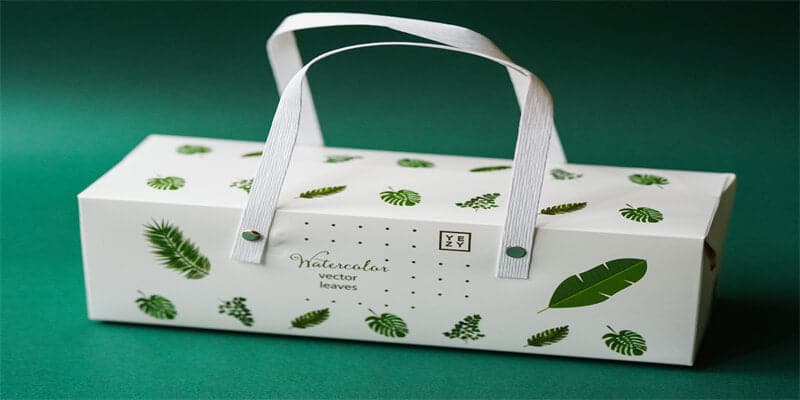
Lamination is one of the most widely used finishing techniques in the packaging industry. It involves applying a thin protective film over the surface of printed packaging materials to improve both appearance and durability. Whether used on custom boxes, paper bags, folding cartons, or luxury rigid boxes, lamination helps packaging maintain a professional look while protecting the printed design from daily wear and tear.
For brands, lamination is more than just a decorative finish. It plays an important role in product presentation, customer perception, and packaging performance during shipping, storage, and retail display.
1. What Is Lamination in Packaging?
Definition of Packaging Lamination
Packaging lamination is a post-printing finishing process where a thin plastic film is bonded to the surface of printed paper or paperboard using heat, pressure, or adhesive. The film creates a protective outer layer that enhances the strength and appearance of the packaging.
The lamination process is usually completed after the artwork has been printed but before the packaging is die-cut, folded, or assembled. This additional layer helps preserve print quality and protects the surface from scratches, moisture, fingerprints, and fading.
Lamination is commonly used for:
- Custom product boxes
- Luxury rigid boxes
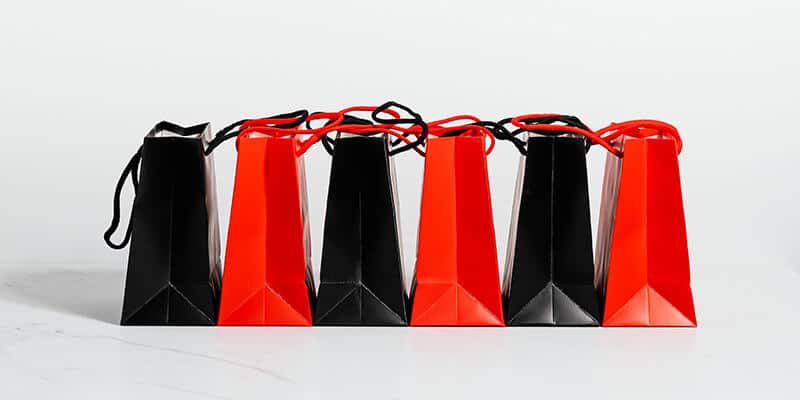
- Shopping paper bags
- Cosmetic packaging
- Food packaging
- Electronics packaging
- Promotional packaging
Depending on the desired visual effect and brand positioning, different types of lamination can be applied to achieve specific packaging styles.
Types of Lamination Used in Packaging
There are several types of lamination commonly used in custom packaging production. Each option creates a different visual and tactile effect.
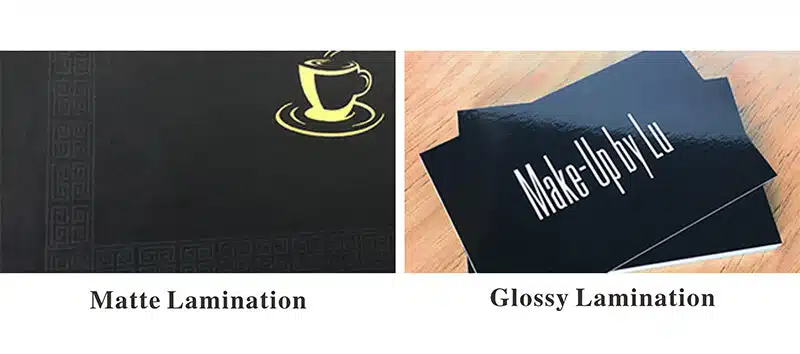
· Gloss lamination
· Matte lamination
· Soft-touch lamination
Soft-touch lamination, sometimes called velvet lamination, adds a silky and velvety texture to the packaging surface. It combines the elegant look of matte lamination with a luxurious tactile experience.
· Anti-scratch lamination
Anti-scratch lamination is designed to improve surface durability and reduce visible scratches, scuff marks, and fingerprints. It is especially useful for dark-colored packaging and luxury boxes that require a clean and flawless appearance during transportation and retail handling.
Why Brands Use Lamination?
Lamination offers both practical and marketing benefits, making it an important part of modern packaging design.
Protection Against Scratches and Moisture
One of the main purposes of lamination is to protect printed packaging from external damage. This protection is especially valuable for e-commerce packaging and retail products that travel long distances before reaching customers.
Enhance Visual Appeal
Lamination can significantly improve the appearance of packaging by adding shine, texture, or a premium finish. The right finish helps packaging stand out on store shelves and strengthens overall brand presentation.
Improve Perceived Product Value
Laminated packaging often feels more premium, durable, and professional compared to uncoated packaging. Luxury brands frequently use matte or soft-touch lamination to create a sophisticated customer experience and reinforce premium positioning.
Extend Packaging Lifespan
Laminated packaging is more resistant to daily wear and environmental factors, allowing it to maintain its appearance for a longer period. This is particularly important for reusable packaging, gift boxes, and premium paper bags that customers may keep after purchase.


2. What Is Gloss Lamination?
The film produces a smooth, shiny surface that reflects light, giving packaging a polished and high-energy look. This finish enhances the brightness and color intensity of the printed design, making graphics and images appear more vivid and visually appealing.
The reflective quality of gloss lamination is ideal for packaging that needs to grab attention quickly, especially in retail environments where products compete for consumer focus.
Benefits and Disadvantages of Matte Lamination
Here’s a quick overview of the advantages and limitations of matte
| Benefits of Gloss Lamination | Disadvantages of Gloss Lamination |
| Makes colors pop, enhancing brightness and vibrancy | Reflective glare under lighting can affect visibility of detailed graphics |
| Creates high visual impact on retail shelves | Fingerprints and smudges are easily visible,especially on dark-colored packaging. |
| Offers better moisture resistance, protecting packaging | May look less premium for luxury or high-end products |
| Smooth surface is easy to wipe clean | Can sometimes feel less sophisticated compared to matte or soft-touch finishes |
3. What Is Matte Lamination?
Matte lamination surface is smooth but non-reflective, giving packaging a soft, muted finish. This finish enhances the perceived quality of the packaging and works especially well for designs that require a subtle, refined visual appeal.
Matte lamination is often chosen for high-end products where the goal is to create a luxurious and tactile experience for the consumer, rather than just visual impact.
Benefits and Disadvantages of Matte Lamination
Here’s a quick overview of the advantages and limitations of matte
| Benefits | Disadvantages |
| Provides a premium and luxury feel that enhances brand perception | Colors may appear less vibrant compared to gloss finishes |
| Reduces glare, making packaging easier to view under bright lights | More susceptible to scratches without additional anti-scratch coating |
| Offers a soft tactile experience, improving the unboxing experience | Slightly higher cost in some applications due to film type and finishing process |
| Better readability for text-heavy designs | Can feel less eye-catching on crowded retail shelves |


4. Gloss Lamination vs Matte Lamination: Key Differences
| Feature | Gloss Lamination | Matte Lamination |
| Appearance | Shiny | Non-reflective |
| Color Vibrancy | High | Soft/Natural |
| Brand Perception | Bold & energetic | Elegant & premium |
| Fingerprint Visibility | Higher | Lower |
| Scratch Resistance | Good | Moderate |
| Readability | Moderate | Better |
| Cost | Usually lower | Slightly higher |
| Best For | Retail packaging | Luxury packaging |
5. How Lamination Affects Printing and Finishing?
Lamination not only protects packaging but also directly influences how colors, textures, and special finishes appear. The choice between gloss and matte lamination can significantly impact the final look and usability of your printed packaging.
Color Performance
The type of lamination affects color vibrancy and visual perception:
- Gloss lamination intensifies colors, making them appear brighter, more saturated, and eye-catching. This is ideal for packaging designed to stand out on retail shelves or highlight bold graphics.
- Matte lamination softens tones, creating a more subtle and refined appearance. It reduces glare and provides a muted, sophisticated look that works well for premium or luxury packaging.
Understanding how lamination alters color perception helps brands achieve the desired emotional and visual impact.
Compatibility With Special Finishes
Lamination can be combined with a variety of finishing techniques to enhance the overall packaging design:
- Foil stamping: Both gloss and matte laminations can work with foil stamping, though matte lamination often creates a more elegant, understated effect, while gloss can amplify the metallic shine.
- Spot UV: Spot UV adds a glossy accent to selected areas of packaging. It contrasts well with matte lamination for a luxurious tactile and visual effect, while on gloss lamination it can blend with the existing shine.
- Embossing/Debossing: Raised or recessed designs are compatible with both laminations. Matte finishes often highlight texture and create a premium tactile experience, while gloss lamination can make embossed areas more reflective and pronounced.
Choosing the right lamination ensures that special finishes appear as intended and complement the overall design.
FURTHER READING
Hot Foil Stamping VS Spot UV – Everything You Want to Know
Writing and Marking Ability
The lamination type also affects how easily text, labels, or notes can be added to packaging:
- Matte lamination is generally easier for writing with pens, markers, or stamps because the non-reflective, slightly porous surface holds ink better. This makes it suitable for personalized packaging, product instructions, or labeling.
- Gloss lamination is more resistant to pen ink and can be difficult to write on without smudging. It is better suited for packaging that relies on printed graphics and does not require handwritten elements.


6. Common Packaging Mistakes to Avoid
- Choosing Finish Based Only on Appearance
- Ignoring Product Positioning
- Overusing Gloss With Luxury Brands
- Not Testing Lamination With Other Finishes
- Forgetting Shipping and Durability Requirements
7. Expert Tips for Choosing the Right Lamination
- Match Finish to Brand Identity
- Request Packaging Samples
- Test Under Retail Lighting
- Consider Customer Unboxing Experience
- Work With an Experienced Packaging Manufacturer
Q1: Is gloss or matte lamination better?
It depends on your product and brand. Gloss is great for bright, eye-catching packaging, while matte is better for a sophisticated, premium look.
Q2: What type of lamination is best?
Gloss works well for retail or promotional packaging, and matte is ideal for luxury or text-heavy designs.