Custom Boxes & Bags, All-in-one place, and Support by Packaging Experts.

What are the Different Types of Pizza Boxes?

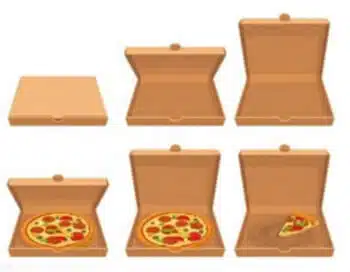
a pizza and some breads and vegetables on the desk

The pizza market in the U.S. is very mature. Pizza is no longer just an “occasional Western food” — it has become a very common everyday meal. Many people eat it several times a week, whether it’s for watching sports, family gatherings, or ordering delivery. Pizza is simply part of daily life there.

Because pizza is eaten so often, competition is no longer only about taste. Now it’s more about delivery speed, operation efficiency, and overall customer experience. Big brands like Domino’s Pizza even work more like tech and delivery companies. They use apps, data, and delivery systems to make everything faster and smoother.

In this kind of delivery-heavy market, one key thing is often overlooked — pizza box packaging.

Since most pizzas are delivered or taken away, the box is very important. It needs to keep the pizza warm, prevent it from getting crushed, and handle transport well. At the same time, it also shows the brand’s image.

So in the U.S. pizza industry, the pizza box is not just a food container — it is part of the full delivery experience.

In this article, we will look at pizza box packaging in detail, including sizes, materials, styles, and common packaging accessories.

1. Understanding Standard Pizza Box Sizes

A precisely sized box is like a “protective capsule” made specifically for pizza. If the size is wrong, it can lead to a chain of problems—from product damage and higher costs to a negative impact on customer reviews and brand reputation.

Here is a standard pizza box size chart to help you find the right box size for your pizza.

Pizza SizeDiameter (in)Diameter (cm)Approx. Area (sq in)Typical SlicesBox Size (in)Box Size (cm)Common Use
Personal6–8″15–20 cm28–50 sq in1–4 slices7″ × 7″ × 2″18 × 18 × 5 cmKids, single serving, snack
Small9–10″23–25 cm64–78 sq in4–6 slices10″ × 10″ × 2″25 × 25 × 5 cm1 person meal
Medium12″30 cm113 sq in6–8 slices12″–14″ square30–35 cm square1–2 people
Large14–16″35–40 cm154–201 sq in8–10 slices16″–18″ square40–45 cm square2–4 people (most popular)
Extra Large16–18″40–45 cm201–254 sq in10–12 slices18″–20″ square45–50 cm squareGroups, parties
Jumbo/Party18–20″+45–50+ cm254–314+ sq in12–16+ slices20″–24″ square50–60 cm squareEvents, catering

2. Types of Pizza Boxes Based on Material

The material of a pizza box directly affects its strength, insulation performance, printing quality, sustainability, and overall cost.

The most common pizza box materials include:

  • White cardboard
  • Corrugated cardboard
  • Sugarcane bagasse

Each material serves different business needs.

2.1 White Cardboard Pizza Boxes

White cardboard is a popular material for pizza boxes, particularly among restaurants and brands that want a clean, premium appearance. Its smooth, bright surface allows for high-quality printing, making it ideal for colorful graphics, logos, and promotional designs. In addition to enhancing brand presentation, white cardboard provides good stiffness and durability, helping the pizza box maintain its shape during handling, transportation, and delivery.

White cardboard pizza boxes are typically available in two common grammages:

White Cardboard GradeDescriptionRecommended Applications
250g White CardboardA lighter-weight cardboard option suitable for everyday pizza packaging needs.• In-store dining• Short-distance transportation• Light-duty packaging applications
350g White CardboardA thicker and more durable cardboard option that offers enhanced strength and protection.• Takeout services• Food delivery operations• Premium pizza packaging
AdvantagesLimitations
✔ Excellent print quality✘ Lower insulation performance compared with corrugated cardboard
✔ Attractive brand presentation✘ Less suitable for extra-large pizzas
✔ Cost-effective for small and medium pizzas

2.2 Corrugated Cardboard Pizza Boxes

Corrugated cardboard is widely recognized as the industry standard for pizza delivery packaging due to its durability and insulating properties. Its unique fluted inner layer creates an air cushion that helps retain heat, keeping pizzas warmer for longer during transport.

At the same time, the corrugated structure provides excellent compression strength, offering superior protection against crushing and damage. These qualities make corrugated cardboard pizza boxes ideal for stacking, handling, and delivery, ensuring that pizzas arrive in good condition while maintaining their temperature and presentation.

Classification by Flute Type

The flute structure significantly impacts box performance.

Flute TypeDescriptionKey CharacteristicsRecommended Pizza Box Sizes
E-Flute Pizza BoxesE-flute is thinner and lighter, making it ideal for compact pizza packaging with enhanced print quality.• Fine flute profile• Smooth printing surface• Reduced material consumption• Suitable for small and medium pizzas• 9-inch pizza boxes• 12-inch pizza boxes
B-Flute Pizza BoxesB-flute offers greater thickness and strength, providing better protection and insulation for larger pizzas.• Stronger compression resistance• Better insulation performance• Suitable for heavier pizzas• 14-inch pizza boxes• 16-inch pizza boxes
AdvantagesLimitations
✔ Best support performance✘ Slightly higher material costs
✔ Excellent thermal insulation✘ Bulkier storage requirements
✔ Ideal for food delivery
✔ Cost-effective for large-scale production

2.3 Eco-Friendly Sugarcane Bagasse Pizza Trays

As sustainability becomes increasingly important, many food brands are adopting sugarcane bagasse packaging as an environmentally friendly alternative to conventional materials. Bagasse is a natural fiber residue that remains after sugar has been extracted from sugarcane and is widely used in the production of compostable food containers.

Packaging made from bagasse is derived from renewable resources, contains no plastic, and is both biodegradable and compostable, making it an attractive option for businesses seeking to reduce their environmental impact.

In addition, sugarcane bagasse products are oil-resistant and food-safe, ensuring reliable performance in food service applications. As a result, sugarcane bagasse pizza trays are commonly used by eco-conscious restaurants, organic food brands, and businesses offering sustainable takeaway packaging, particularly for single-serving pizzas.

AdvantagesLimitations
✔ Environmentally friendly✘ Limited printing options
✔ Supports sustainability initiatives✘ Higher manufacturing costs compared with conventional paper packaging
✔ Natural appearance

3. Types of Pizza Boxes Based on Shape

While square pizza boxes dominate the market, brands are increasingly exploring alternative shapes to improve customer experience and brand differentiation.

Let’s examine the most common pizza box shapes.

3.1 Square Pizza Boxes

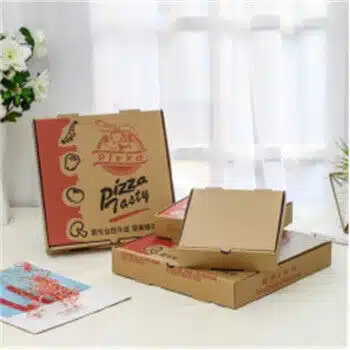
there is a square pizza box on a wooden table

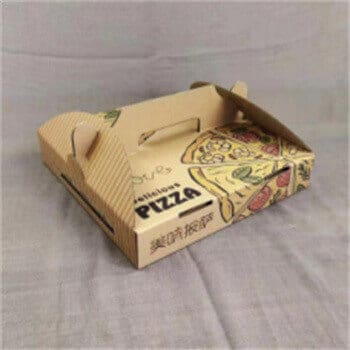
Square pizza boxes are the absolute mainstream choice in the global pizza packaging market.

Even though pizzas are round, a square box is much easier and more economical to produce.

It can be folded quickly, stacked neatly, and transported efficiently, which helps pizza businesses keep packaging and logistics costs under control.

Because of these practical advantages, square boxes have become the standard choice for most pizza chains, delivery services, and high-volume restaurants. They offer a reliable packaging solution that works well for everything from small takeout orders to large-scale delivery operations.

3.2 Round Pizza Boxes

there is a round pizza box, a green aple, a fork and spoon,a napkin

Round pizza boxes are designed to match the shape of the pizza itself.

This innovative packaging style reduces empty space inside the box and creates a unique customer experience

Features

  • Perfect fit for round pizzas
  • Premium presentation
  • Distinctive brand image

Challenges

Despite their visual appeal, round pizza boxes have several limitations:

  • More complex manufacturing process
  • Higher production costs
  • Reduced stacking stability
  • Less efficient logistics

As a result, round pizza boxes are relatively uncommon and are typically used for specialty products or promotional campaigns.

3.3 Triangle Pizza Boxes

there is a triangle pizza box against the blue background

Triangle pizza boxes are designed specifically for individual pizza slices.

These boxes are particularly popular in:

  • Food courts
  • Convenience stores
  • Street food vendors
  • Grab-and-go pizza shops

Advantages

✔ Highly portable

✔ Easy for customers to carry

✔ Eye-catching presentation

✔ Ideal for single-slice sales

Triangle pizza boxes are a creative solution for businesses targeting on-the-go consumers.

3.4 Polygon Pizza Boxes

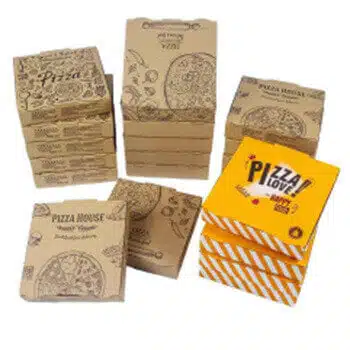
there are three polygon pizza boxes in different sizes stack together

Polygon pizza boxes include:

  • Hexagonal pizza boxes
  • Octagonal pizza boxes
  • Other custom geometric designs

These unique structures are often developed for premium brands seeking stronger visual differentiation.

Why Brands Choose Polygon Boxes

  • Distinctive shelf presence
  • Memorable unboxing experience
  • Enhanced brand recognition
  • Greater customization possibilities

Although polygon pizza boxes generally cost more to manufacture, they can help brands stand out in a highly competitive market.

Common Applications

  • Premium pizza brands
  • Marketing campaigns
  • Limited-edition product launches
  • Luxury food packaging

4. Specialty Structure Pizza Packaging

Pizza packaging has come a long way from the standard square box. As food delivery continues to grow, many pizza brands are exploring smarter box designs that help keep pizzas hotter, fresher, and in better condition during transit. These specialty pizza boxes are designed to solve common delivery challenges while improving the overall customer experience.

4.1 Aluminum-Coated Insulated Liner

there are three pizza boxes with aluminum-coated insulated liner and a pizza on a plate

Have you ever ordered a pizza only to find it’s lost most of its warmth by the time it arrives? That’s exactly the problem aluminum-coated insulated liners are designed to solve.

These boxes feature a special aluminum-coated layer inside that helps reflect heat back toward the pizza instead of letting it escape. Think of it as an extra layer of insulation working behind the scenes to keep every slice warmer for longer.

Some of the biggest benefits include:

  • Better heat retention throughout delivery
  • Less temperature loss during transportation
  • Improved cheese texture and melt quality
  • Crispier crusts that stay enjoyable longer
  • A better experience for customers receiving deliveries from farther away

For pizza businesses that rely heavily on delivery, especially those serving larger areas, this type of packaging can make a noticeable difference in food quality when the order reaches the customer’s door.

4.2 Ventilation Hole Design

display the sides of three pizza box with ventilation hole design

Keeping pizza hot is important—but so is keeping it crispy.

One of the biggest enemies of pizza during delivery is trapped steam. When hot pizza sits inside a completely sealed box, moisture builds up quickly. The result? A soggy crust that doesn’t taste nearly as good as it did fresh out of the oven.

That’s why many modern pizza boxes include strategically placed ventilation holes.

These small openings help:

  • Release excess steam
  • Reduce condensation inside the box
  • Keep the crust crisp and flavorful
  • Prevent moisture from affecting toppings
  • Maintain overall pizza quality during delivery

The best vented pizza boxes are carefully designed to create the right balance between airflow and heat retention. This allows the pizza to stay warm while avoiding the moisture problems that can ruin texture.

4.3 Multi-Layer Pizza Delivery Boxes

a three-layer pizza box with two pizza and some other food inside

Large orders can be challenging to pack and transport, especially when customers order multiple pizzas along with sides, desserts, or appetizers.

That’s where multi-layer pizza delivery boxes come in.

Instead of stacking everything together in a way that risks shifting during transport, these boxes use separate layers or compartments to keep items organized and protected.

Depending on the design, they may include:

  • Separate sections for different pizza sizes
  • Stackable tray systems for large orders
  • Divided compartments for side dishes and snacks
  • Better organization for delivery drivers and restaurant staff

The biggest advantage is that everything stays in place during transportation. Toppings are less likely to shift, pizzas are better protected, and customers receive their orders looking just as good as they did when they left the kitchen.

For busy pizza chains, delivery services, and family meal promotions, multi-layer pizza packaging can improve both efficiency and customer satisfaction. After all, great pizza deserves packaging that works just as hard as the food inside.

5. Complete Your Pizza Packaging

The best pizza packaging is more than just a pizza box. Takeaway bags, greaseproof paper, insulated delivery bags, and sauce containers all play a role in protecting the food and making delivery more convenient.

By choosing the right packaging combination, pizza brands can improve both food quality and customer satisfaction.

Takeaway Bags

Takeaway bags make it easier for customers to carry their orders home. They are especially useful for large orders with multiple pizza boxes and side dishes. Adding your logo to takeaway bags is also a simple way to increase brand visibility.

Greaseproof Paper

Greaseproof paper is often placed inside the pizza box to keep oil and grease from soaking into the packaging.

It helps:

  • Reduce grease stains
  • Keep the box cleaner
  • Improve food presentation
  • Maintain better hygiene

Many pizza brands also print their logo or design on greaseproof paper to create a more professional look.

Insulated Delivery Bags

For pizza delivery businesses, insulated bags help keep food warm during transport.

Their main benefits include:

  • Better heat retention
  • Protection from outside temperatures
  • Improved food quality on arrival
  • Suitable for longer delivery distances

Many restaurants use custom insulated bags with their logo for a more professional delivery service.

Sauce and Seasoning Containers

Small packaging for sauces and seasonings is another important part of pizza orders. Using matching condiment packaging can help create a consistent brand image and provide a better customer experience.

Share