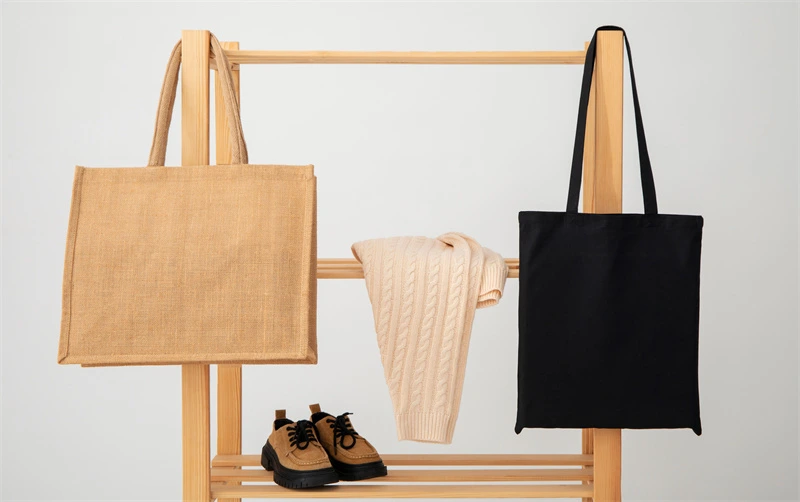
Gusset bags are a versatile and practical packaging solution suitable for a wide range of applications. In this article we will talk about what is gusset bag, what are gusset bags used for, the properties of gusset bags, and their printing techniques and key dimensions.
1. What Does Gusset Mean in a Bag?
A gusset bag is a type of packaging that features added material on the sides or bottom, allowing the bag to expand and accommodate more volume. The term “gusset” refers to an extra piece of material added to a bag to create more space and structure.
These additional panels of fabric or material not only enhances the bag’s capacity but also improves its stability when filled with contents. This feature is particularly useful for packaging products that require a stable, roomy container. Gusset bags are commonly used in various industries, including food packaging, retail, and industrial applications, due to their versatility and practicality.
2. Types of Gusseted Bags
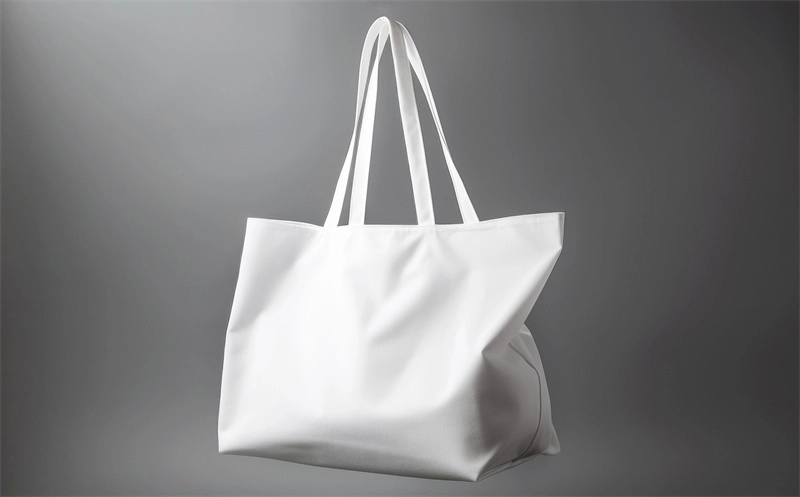
Bottom Gusset Tote Bag
A bottom gusset tote bag features a gusset at the base, which allows the bag to expand and create a flat, stable bottom. This design is particularly useful for carrying heavier items or products that need to stay upright. The bottom gusset provides additional space and stability, making it ideal for grocery shopping, carrying books, or transporting bulkier items.
Advantages of Bottom Gusset Tote Bags:
- Increased storage capacity due to the expandable bottom.
- Enhanced stability when placed on a flat surface.
- Better organization of contents, preventing items from piling up.
Applications:
- Grocery shopping bags
- Book bags
- Gift bags
Full Gusset Tote Bag
A full gusset tote bag has gussets on both sides and the bottom. This design allows the bag to expand uniformly, providing maximum storage space. Full gusset tote bags are perfect for carrying items that require extra room and flexibility. They are often used for bulkier goods or when a larger capacity is needed without compromising portability.
Advantages of Full Gusset Tote Bags:
- Maximum storage capacity due to gussets on all sides.
- Even distribution of weight, making it easier to carry.
- Versatility in use, accommodating a wide range of items.
Applications:
- Retail shopping bags
- Promotional bags
- Large storage bags
- Non-Gusseted Bags
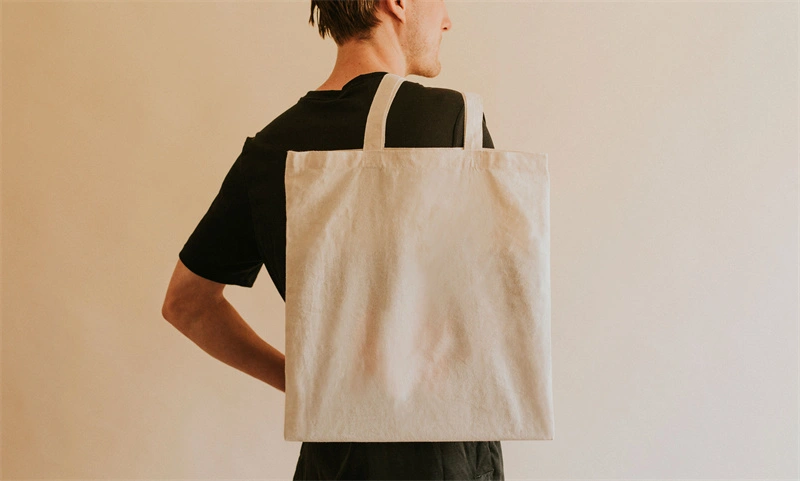
3. Non-gusseted Bag – Flat Tote Bag
A flat tote bag is a simple, traditional bag without any gussets, also know as economy style tote bag. It consists of two pieces of material sewn together along the edges, creating a flat, two-dimensional bag. While it lacks the expandable capacity of gusseted bags, a flat tote bag is lightweight, easy to store, and ideal for carrying flat or lightweight items.
Advantages of Flat Tote Bags:
- Simplicity in design and manufacturing.
- Lightweight and easy to fold and store.
- Cost-effective for both producers and consumers.
Applications:
- Event giveaways
- Lightweight shopping bags
- Promotional merchandise
4. Printing Techniques Used on Gusset Bags
Printing on gusset bags is a crucial aspect of customization, allowing brands to enhance their visibility and appeal. Various printing techniques can be employed to achieve high-quality and visually appealing designs:
Flexographic Printing:
- Process: Flexographic printing uses flexible relief plates to transfer ink onto the bag material. It is suitable for high-volume runs and can print on a variety of substrates, including paper and plastic.
- Advantages: This method is cost-effective for large batches and can produce vibrant colors and detailed designs. It also offers fast production speeds.
- Applications: Flexographic printing is commonly used for printing logos, brand names, and intricate designs on gusset bags, making it a popular choice for retail and food packaging.
Rotogravure Printing:
- Process: Rotogravure printing involves engraving the image onto a cylinder, which then transfers the ink onto the bag material. This technique is known for producing high-quality, detailed images.
- Advantages: Rotogravure printing is ideal for complex graphics and offers excellent color consistency and image sharpness. It is suitable for large-scale production.
- Applications: This method is often used for high-end packaging where detailed imagery and premium quality are essential, such as in luxury goods and high-quality food products.
Digital Printing:
- Process: Digital printing uses digital files to directly print the image onto the bag material, without the need for plates. It is suitable for short runs and offers quick turnaround times.
- Advantages: Digital printing allows for high customization and is cost-effective for small batches. It can produce detailed and vibrant images with a wide color range.
- Applications: This technique is perfect for personalized packaging, promotional items, and smaller production runs where flexibility and quick changes are required.
Screen Printing:
- Process: Screen printing involves using a stencil (or screen) to apply layers of ink onto the bag material. It is a versatile method suitable for simple designs.
- Advantages: Screen printing is durable and provides a thick, opaque finish. It is cost-effective for medium-sized runs and is excellent for printing bold colors and logos.
- Applications: This method is often used for tote bags, promotional items, and other applications where durability and bold designs are needed.
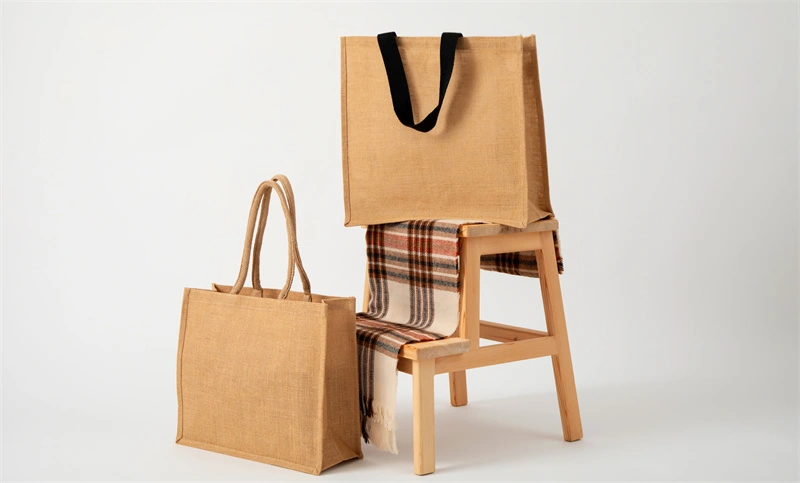
5. Key Dimensions for Gusset Bags
Understanding the key dimensions of gusset bags is essential for selecting the right packaging for your needs. Here are the main dimensions to consider:
Width:
The width of the gusset bag is the measurement across the front of the bag when it is laid flat. This dimension is crucial for determining how wide the bag will be when filled.
Height:
The height is the measurement from the bottom to the top of the bag. This dimension indicates how tall the bag is and how much vertical space is available for contents.
Gusset Width:
The gusset width refers to the depth of the expandable section on the sides or bottom of the bag. This dimension determines how much the bag can expand to accommodate bulkier items.
Overall Volume:
The overall volume is a combination of the width, height, and gusset width, indicating the total capacity of the bag. This is an important dimension for understanding how much product the bag can hold.
Thickness:
The thickness of the material used for the gusset bag affects its durability and strength. Thicker materials provide more support and protection for heavier items.
Conclusion
Gusset bags, whether they feature a bottom gusset or full gussets on all sides, provide enhanced capacity and stability, making them suitable for a variety of uses. Understanding the different types of gusseted bags helps businesses and consumers choose the right packaging solution for their needs.
Image by freepik
Cover image source