

The international packaging symbols are a series of graphic images and letters that identify the type of package and its contents. The symbols are regulated by the International Organization for Standardization (ISO), which maintains a database of all symbols.
The symbols are a vital part of international trade. Each country has its own set of symbols, and individual countries can also devise their own symbols as they wish. The symbols are often the first indication to the consumer of what is in the package. In order for a symbol to be used, it must be registered with ISO. The process consists of submitting a request to ISO’s Technical Committee TC 23.
The symbols are used in international trade for packaging, as well as for various other purposes. For instance, the United Nations uses the symbol to denote its organs or agencies. The International Air Transport Association uses it to denote an airline’s name. The International Organization for Standardization (ISO) is the main international body to develop and approve them. Most countries have adopted ISO’s trademarked international standard designations, the most prominent being the United States where they are called “International Standards”.
Why International Packaging Symbols are important?
International packaging symbols are important because they provide a universal way for people to understand the contents of a package, regardless of language. By standardizing the symbols used on the packaging, it becomes easier for people to identify potential hazards and to know what precautions to take.
International packaging symbols are essential for ensuring the safe and correct delivery of products to consumers. In this comprehensive guide, we’ll take you through all the most common symbols and explain what they mean. From food to cosmetics, there’s a symbol for every type of product out there. Let us help you decode them!

Handle with Care
Handle with care is a symbol that is used to show that an object is fragile. It is often used on boxes that contain fragile items. The symbol is a picture of an outline of a hand with the phrase “handle with care” written on it.

Keep Dry
The symbol is a simple picture of an umbrella and can be found on products that are likely to get wet, such as shampoo, conditioner, body wash, and soap. Keeping the product inside the packaging dry helps protect it from bacteria and mold growth.
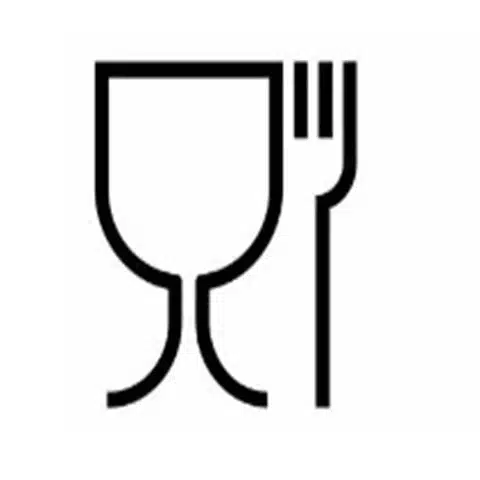
Food Safety
The food safety symbol is an image of a wine glass and fork. It is often used to indicate that a restaurant or other food business has taken measures to ensure the food they are serving is safe for consumption. The symbol may also be used to indicate specific safety precautions that have been taken, such as using gloves while preparing food.

Flammable
This symbol means that the material inside the packaging can cause a fire. If you see this symbol on a product, make sure to keep it away from heat and flames. It will be displayed on the packaging for aerosols, paints, and other products that can easily ignite.

Fragile
The fragile goods symbol is a sign that is used to warn people that the object or package that it is attached to is delicate and can be easily damaged. The symbol consists of a cracked wine glass. It is usually used on packages that contain glass, or other breakable items.
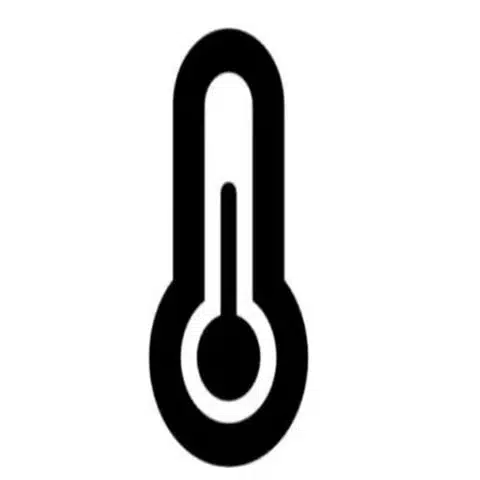
Thermometer
The thermometer-sensitive symbol will be on the packaging of foods that need to be stored at a certain temperature.

Keep Away from Sunlight
The direct sunlight symbol is used on packaging to indicate that the product should not be exposed to direct sunlight. This is because exposure to direct sunlight can cause the product to deteriorate, lose its color, or even burst into flames. The direct sunlight symbol is usually found on products that are packaged in clear or translucent containers, as the sunlight can easily pass through these containers and cause damage to the product.

Stacking Height
The stacking height symbol is used to indicate how high a package can be stacked on top of other packages. This is important for companies that ship or store their products in boxes, as it helps them to organize and stack their inventory in an efficient way.
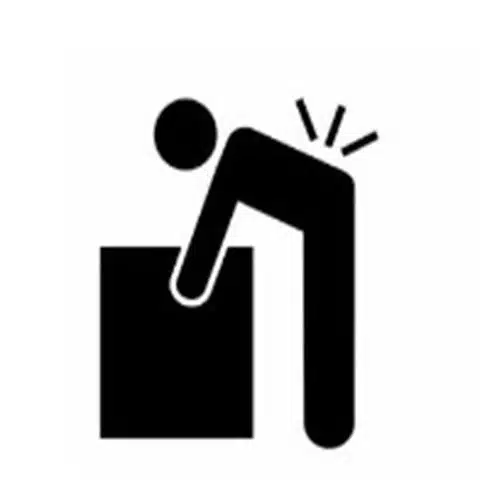
Heavy
The symbol that you will see on the packaging is a picture of a person lifting a weight. This symbol means that you should not lift the product because it is too heavy.
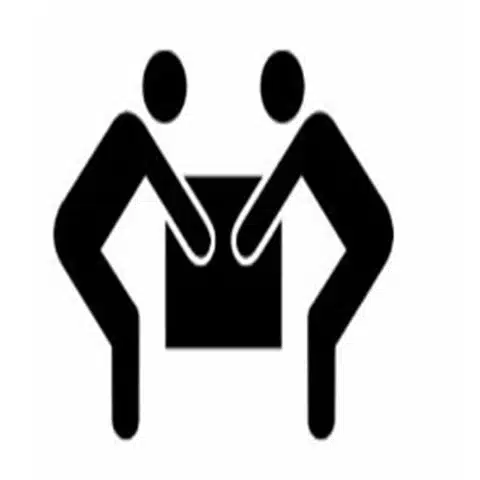
Two Person Lift
The symbol is a picture of two people carrying a package. This indicates that the package is too heavy for one person to lift safely and should be carried by two people.
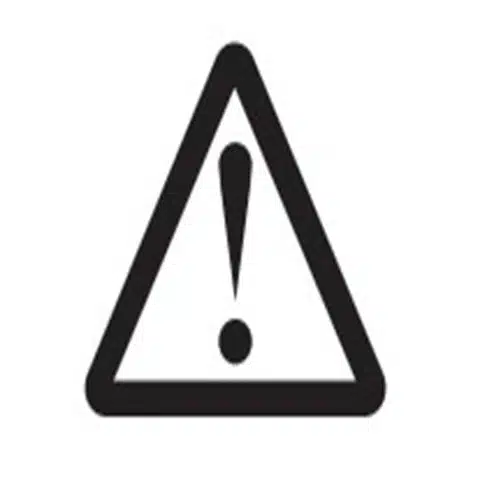
Safety Alert Symbol
Packages that contain hazardous materials are required to have safety symbols on them so that consumers know how to safely handle the product. A safety alert symbol is a universal way of communicating to people that they need to be aware of a danger and take precautions.
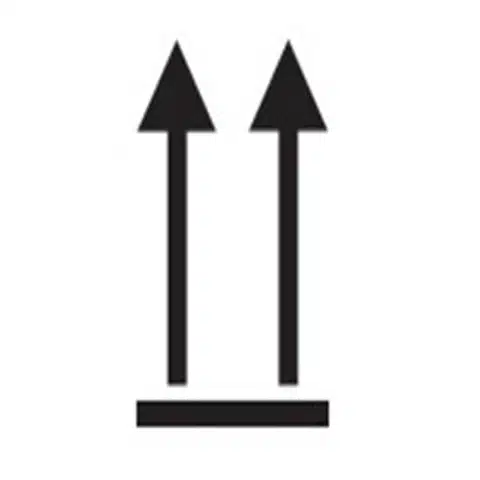
Upward Arrows
The two arrows pointing up are a symbol not to handle the package sideways or upside-down. It can be found on food packaging, as well as pharmaceuticals and other medical supplies. It can also be an indicator of where to open the box.
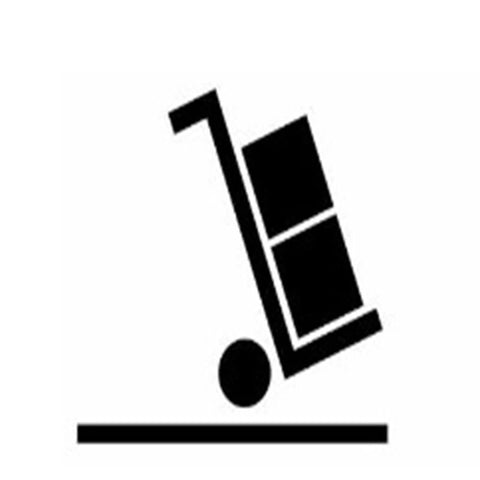
Use Pallet Track
This symbol is used to indicate that products are intended for pallet handling and shipping. When this symbol is present on a package, it means that the package can be easily handled by a forklift or pallet jack.
Sustainable Packaging Symbols
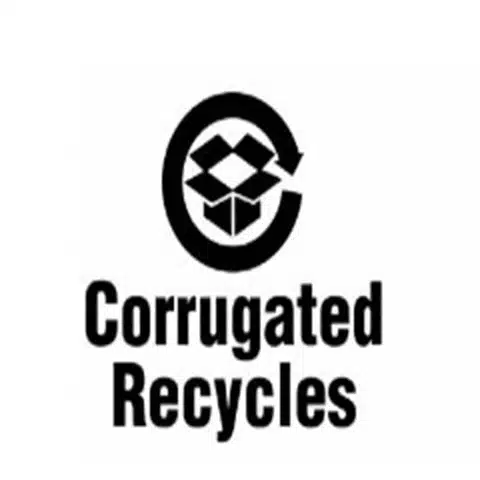
Corrugated Recycles
This symbol means that the corrugated packaging is recyclable. It means that the packaging “can and should be recycled”.

Recycle Symbol
The recycling symbol is a three-chambered triangle made of arrows. It’s one of the most recognizable symbols in the world, and it means that the object it’s on can be recycled.
FSC Symbol
Forest Stewardship Council (FSC) is an international certification and labeling organization for forest products. It was founded in 1993 to promote sustainable forest management. FSC labels indicate that the product has been made from wood that comes from a sustainably managed forest.
Do not Litter Symbol
This symbol is called the “Do Not Litter” symbol, and it can be found on a variety of products, ranging from food packaging to automotive products. The goal of this symbol is to remind people not to litter, and to encourage them to dispose of their waste properly.
Tips on how to use packaging symbols correctly
Packaging symbols are there to provide information about the product. They are usually placed on the bottom or back of the package. It is important to use them correctly so that you can be sure you are getting what you expect. It is not always readily apparent what the symbols mean. Some symbols are also used in other industries, so you may need to do a little research to make sure you know the correct meaning of the symbol you are using. It is important to know the meaning of a symbol before using it.
Some symbols indicate that the product is recyclable. Others show how to open the package. Still, others indicate whether the item is microwave safe or oven safe. Pay close attention to these symbols, as they can prevent accidents and help you recycle properly.
The use of symbols to communicate worldwide has become increasingly important in the modern age. Symbols can be used to represent a product, company, or country. The international packaging symbols system is a standardized means of representing the information on packages. Symbols are used to indicate the type, quantity, and other characteristics of goods. Most symbols are simply pictograms that represent objects or substances.
As the world continues to become increasingly globalized, it is important for businesses and individuals to be able to communicate with each other in a meaningful way. One way to do this is by using international custom packaging symbols. International packaging symbols are essential for any business that exports goods. Knowing the correct symbol for a product can help prevent potential customs issues and ensure your products arrive on time and in the right condition.
About PackFancy
We offer premium quality products at an affordable price with an excellent customer service experience.


